 Granular
The evolution and future of agentic interaction and hardware
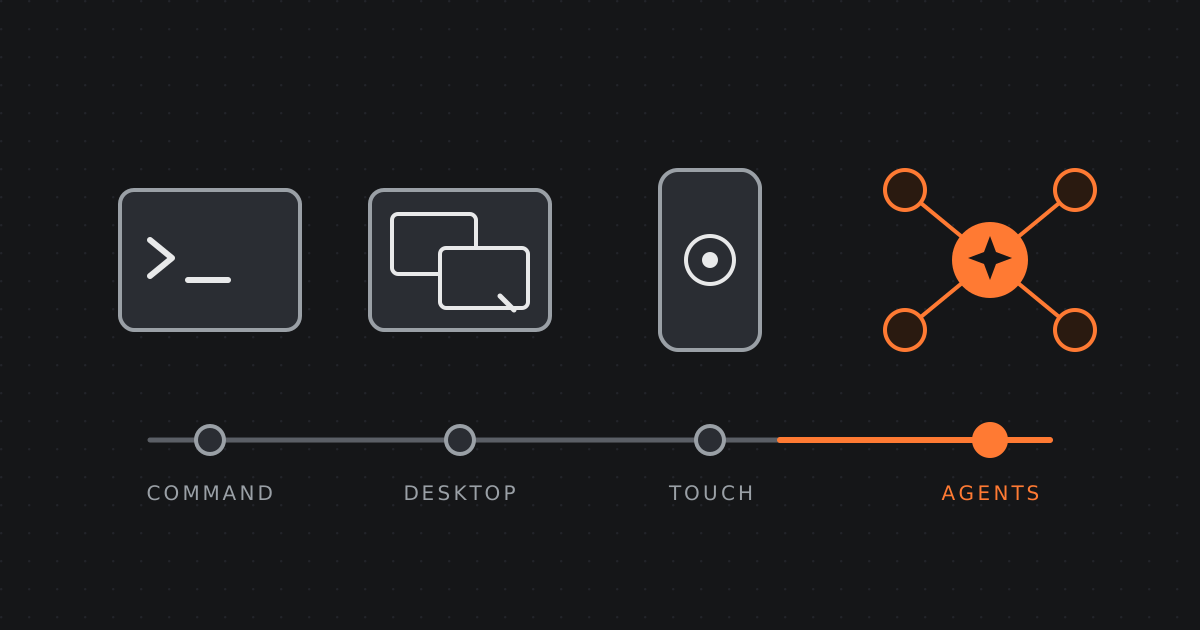
Every leap in computing has been a leap in how we talk to the machine. We went from typing commands, to clicking pictures, to touching glass. The next leap is different: you stop operating the software and start directing agents that operate it for you. Here is where that goes, and what the device becomes.
How we have talked to computers
Every era of computing is really a story about the interface. The power under the hood keeps growing, but what changes your life is how you reach it.
First came the command line. If you knew the exact words, the machine did anything. If you did not, you were locked out. It was pure power with a brutal entry fee, and it kept computing in the hands of specialists for decades.
Then the graphical desktop arrived. Suddenly a file was a little picture you could drag. A folder looked like a folder. You did not need to memorize anything; you could point at what you wanted. That one shift took computers from the lab to the living room.
Touch went further. The phone put a computer in your pocket and removed the last layer of translation. No mouse, no manual, just your finger on the thing itself. A toddler can work an iPad because there is almost nothing between the intent and the action.
Notice the pattern. Each step shrank the gap between what you meant and what the computer did. Commands, then pictures, then direct touch. Every leap made the machine meet us a little closer to how we already think.
The shift happening now
Conversational AI is the next step in that same line, and it is the biggest one yet. For the first time, the interface is language. You describe what you want and the computer works out the how.
But there is a deeper change hiding inside that. The old interfaces all had one thing in common: you did the work. You typed the command, you clicked the button, you dragged the file. The tool was faster, but your hands were still on it the whole time.
Agents break that assumption. You stop operating the software and start directing something that operates it for you. That is not a nicer button. It is a new relationship with the machine, and it is worth being specific about what makes it new.
Outcome-first instruction. You say what you want, not how to do it. The skill is describing the outcome clearly, which is a skill almost everyone already has.
Agents that take real actions. This is the line that matters. Most AI still just talks back. An agent writes the file, runs the command, builds the page, and ships it. The difference between advice and work is the whole game.
Several at once. Once an agent can do a job, you can run a few in parallel. One drafts the site, one cleans the spreadsheet, one answers the email. You go from doing one thing at a time to conducting several.
Agents that hire agents. The interesting move is when an agent decides a job is too big for one worker and spins up its own helpers, hands them pieces, and pulls the results together. You manage one; it manages the rest. A boss with workers, and you only talk to the boss.
A shared memory. Directing agents falls apart if you have to re-explain your world every morning. So the agent needs a brain: a place that holds your mission, your projects, your decisions, the way you like things done. It reads that before it acts, and it stays current as the work happens.
Reach through connectors. An agent trapped in a chat box is a clever pen pal. Connectors are the doors: they let the same agent read your docs, post to your store, pull your analytics, send the email. Reach is what turns a talker into a doer.
This is not a wishlist for someday. It is how we built Granular, and it is why we describe it the way we do: a second brain with hands. You bring the agent you already love, and it gets a body that gets things done, remembers your world, and can call in help when it needs it. We are not pointing at the future here so much as living in an early, rough version of it.
What happens to the device
Here is the part most people skip. If the interface stops being screens and buttons and becomes directing agents, then the thing in your hand does not need to be what it is today.
The phone, the laptop, the desktop: all of them are shaped around you doing the work. Big screens to see the software. Keyboards and trackpads to drive it. That hardware is a control panel. It is beautifully evolved for a world where you are the operator.
When you become the director instead, the control panel matters less and being reachable matters more. The important question stops being "how big is the screen" and becomes "can I reach my agents, and can they reach the world."
Always available. Your agents should be working whether or not you are sitting at a desk. You leave a job running, walk away, and check it from your phone on the train. The work does not live on a machine anymore; it lives with you, and any device is just a window onto it.
Agents with hands, not just answers. A smart speaker that can only talk is a dead end. The valuable ambient device is one wired to agents that actually do things: reorder the stock, move the meeting, publish the update. Voice is only useful when there is a worker on the other end.
Where dedicated hardware could go. Once the interface is a conversation with something that acts, the door opens for devices built around that and nothing else. Less screen, more presence. A thing you talk to that goes off and works, then reports back. Plenty of these early attempts will be clumsy. The direction underneath them is not.
Where this actually goes
It is easy to get carried away, so let me be plain about the next few years, not the next few decades.
Screens are not disappearing. You will still want to see the page an agent built and the file it changed, because trust comes from watching the work, not from being told it happened. The device you own will not vanish; it will quietly change jobs, from the place you do the work to the place you check on it.
The real shift is quieter and more certain than any gadget. The skill that pays off stops being knowing the software and starts being knowing what you want and saying it clearly. That is a much fairer deal. It hands the power that used to belong to whoever memorized the commands to anyone with a clear idea.
That is the thread running through the whole history: each interface met us closer to how we already think. Agents are the closest yet, because the interface is just talking to a capable helper and trusting it to act. The hardware will keep rearranging itself around that. The part that lasts is the shift from operating the machine to directing it.
We are building for that world on purpose. If you want to feel the early version of it, download Granular, or see what people are building with it today.
Related reading
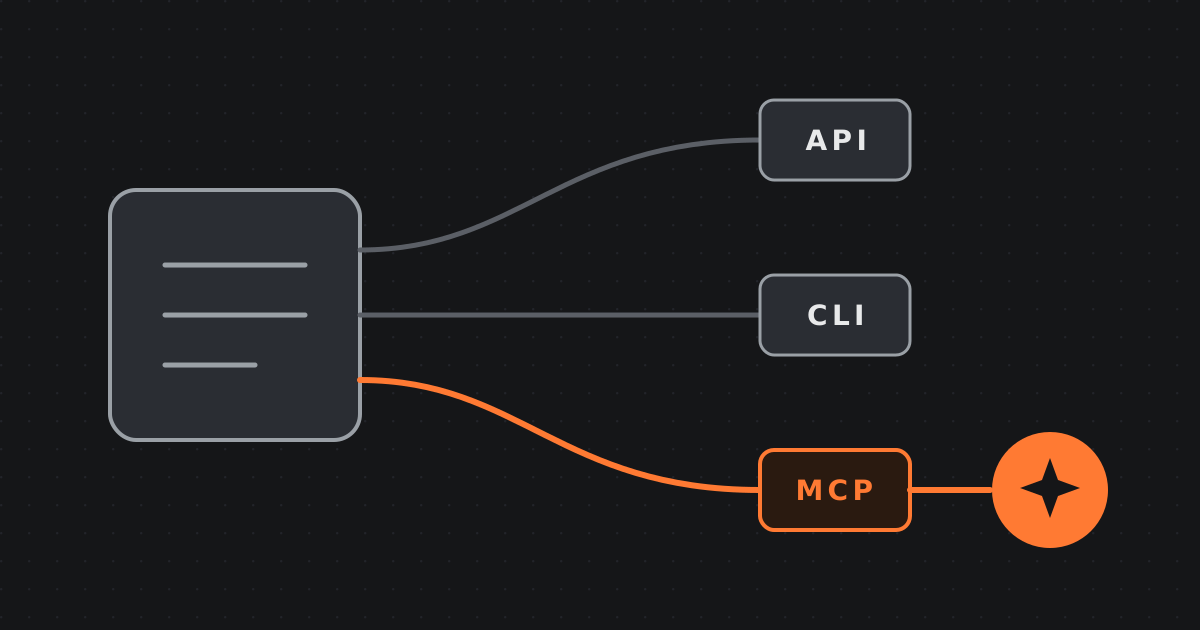 2026-09-05 · Guide, AgentsMCP, API, CLI: three ways software talksThe loading dock, the trade phone line, and the standard menu, the three ways software talks, explained for non-developers, and which one your AI agent should use.
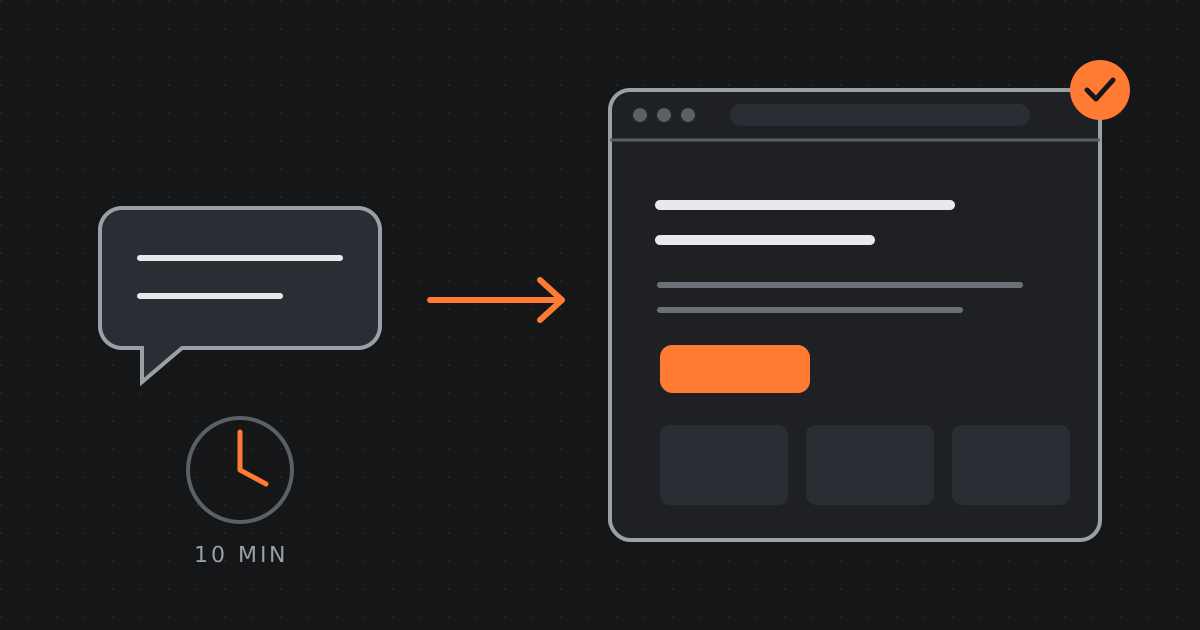 2026-06-26 · Guide, DesignHow to build a landing page with AI in 10 minutesA practical walkthrough: go from a single sentence to a published landing page using Granular, describe it, refine it live, and ship it to your domain.
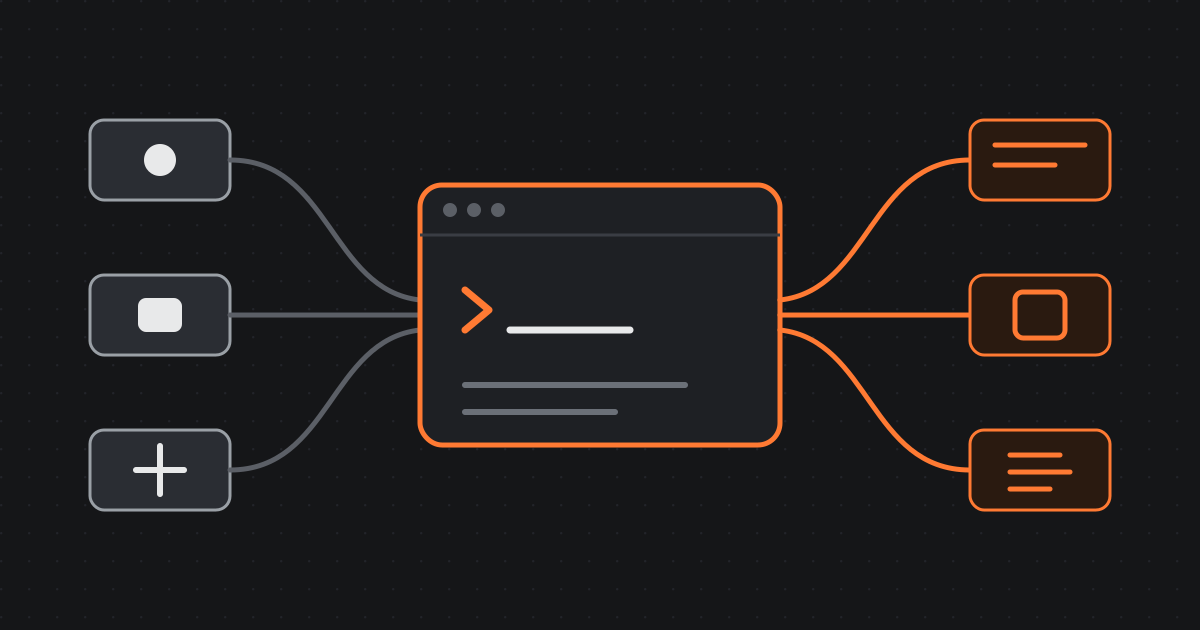 2026-06-20 · Manifesto, ProductWhy we built Granular: the terminal for everybodyThe terminal is the most powerful tool in computing, and almost nobody can use it. Granular changes that: an agentic terminal where you plug in your tools, API keys and AI agents to build anything and run any task.